Dear You goes out into the world
From sold out cinemas in Tokyo to four hundred packs of tissues in London, a small Teochew film is moving the diaspora. Not everyone is comfortable with that.
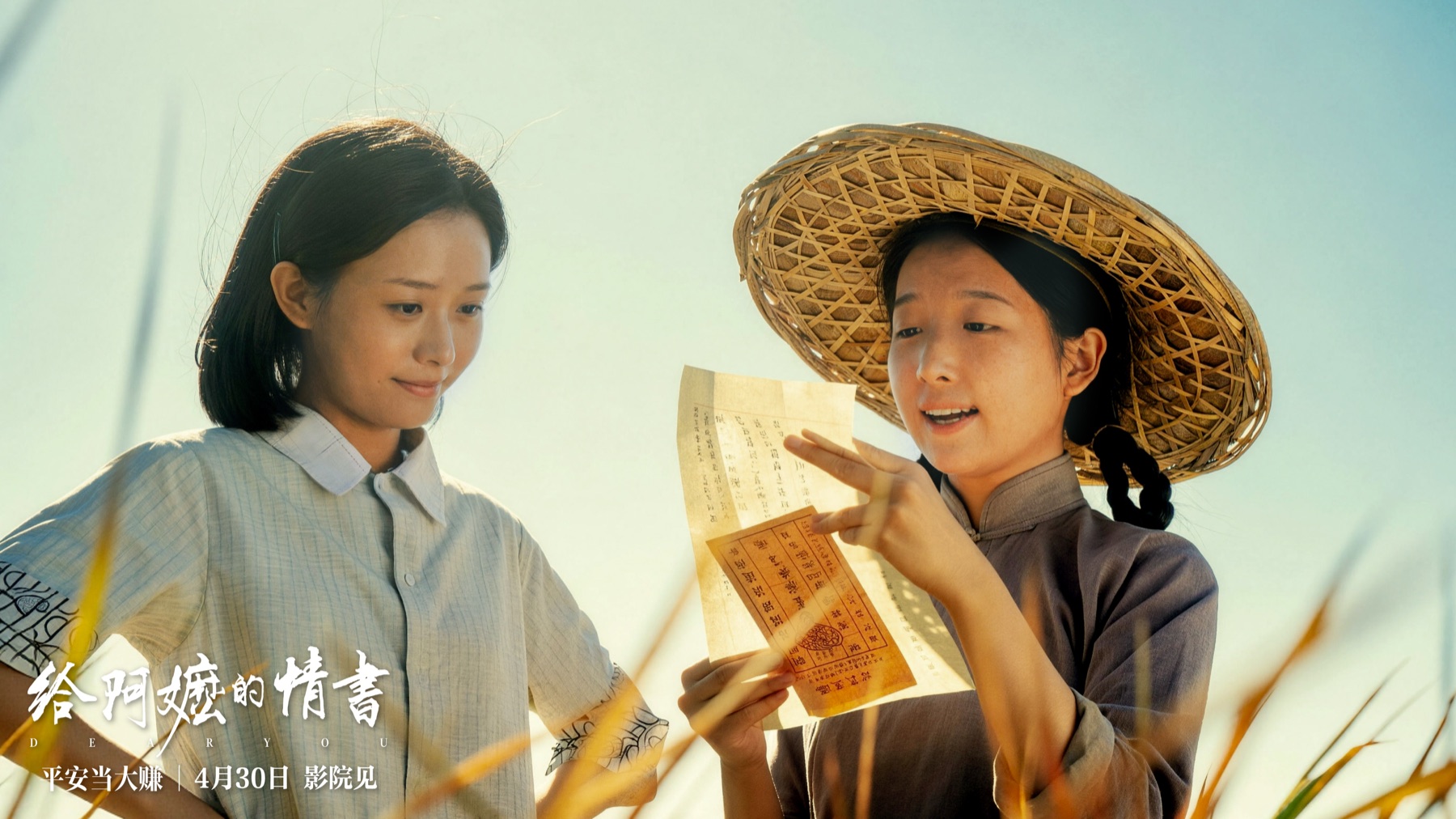
In London this month, the people running a film premiere did something I have never heard of at a screening. They handed out tissues. More than four hundred packets of them. By the end of the night every packet was gone, and a Romanian member of the audience told a reporter he had cried the whole way through. The film was Dear You (给阿嬷的情书), a story told mostly in Teochew, shot in Chaoshan for about fourteen million yuan, with no stars anyone outside the region would recognise. This piece on the London premiere reads less like a film report and more like a description of a family reunion.
That scene has now repeated itself, city by city, across half the world.
A small film that refused to stay small
Let me set the scale, because it matters. Dear You opened in mainland China on 30 April. By the time it reached London it had passed 1.8 billion yuan, about 270 million US dollars, which made it the second highest grossing film in China this year. Not bad for a Douban 9.3 picture made on a budget of roughly two million dollars. It is director Lan Hongchun’s third feature in the Teochew language. After a market screening at Cannes in May, the distributor Damai set a global theatrical run that reads like a map of the diaspora itself. Singapore, Malaysia and Brunei on 18 June. Australia and New Zealand on the 25th. The United States, Canada, Britain, Ireland and Japan on the 26th. Thailand, France, South Korea, Vietnam and more to follow.

The plot is simple and old. A young man travels from Chaoshan to Thailand to look for a grandfather who went south and never came home, and finds a secret folded inside a lifetime of qiaopi, the remittance letters that overseas Teochew sent back with money and news. We have written here before about what those letters meant and why such a modest film travelled so far. What interests me now is what happens when it lands in front of audiences who are not in China at all.
What the diaspora is actually saying
In Tokyo, the answer was: sell us more tickets. The film opened on 26 June in Tokyo, Osaka and Kyoto, and the Japanese distributor told CCTV that weekend shows in Shinjuku were selling out within ten minutes of the box office opening. From 3 July the release grows from seven cinemas to fourteen. The Japan Teochew Association organised a group screening, and its vice chairman put the reason plainly. They wanted younger Chinese descendants to remember the history of going south, and they wanted to show Japanese society something of the home culture they carry.
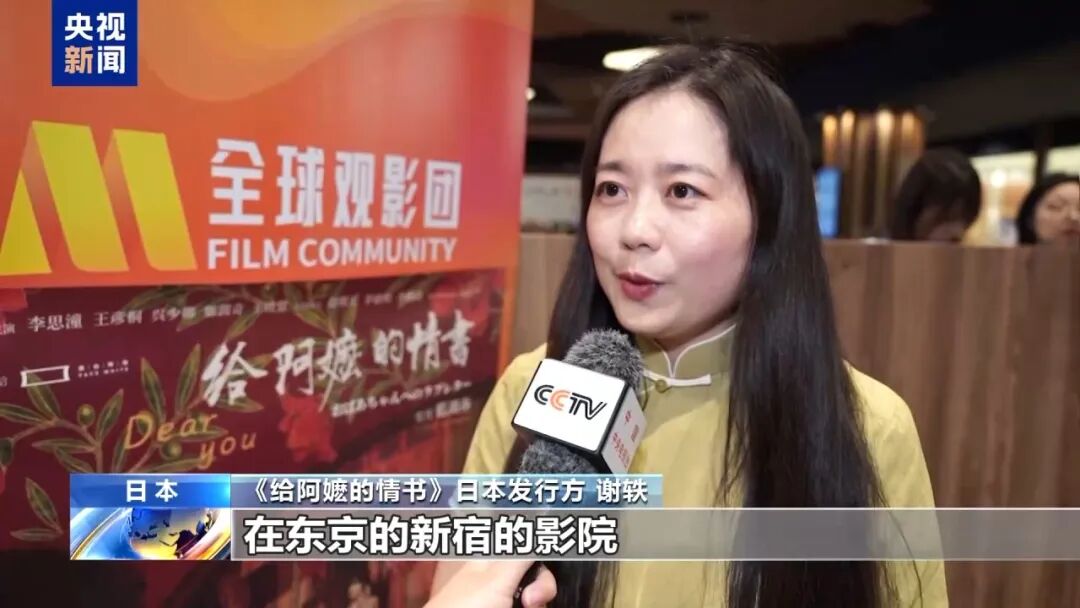
That last point deserves attention, because the Japanese audience did not behave like outsiders looking in. One viewer said the grandmother’s line, that a person must live with feeling and loyalty, held the whole film inside it. Another came with his wife and said the film crossed the border between them. This is the thing the box office headlines keep missing. A Teochew grandmother, speaking a language most of the world has never heard, is making strangers feel recognised.
In London, the chairwoman of the Chinatown Chinese Association spoke about family, homesickness and the long habit of valuing personal bonds. A man named Liu Shiyi, who grew up in Chaozhou and now lives in Britain, said his parents went home, opened a drawer, and found qiaopi the family had kept for decades. The film did not just move him. It sent him looking.
The film also started a fight
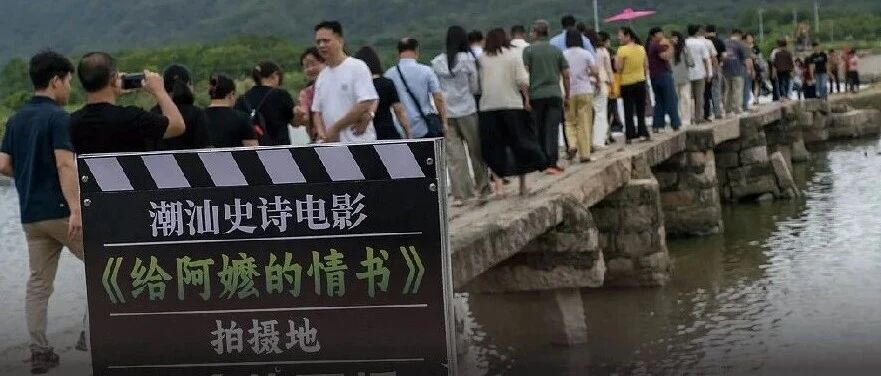
He is not alone, and this is where the story turns from warm to complicated. Dear You has sent people looking for their roots in real numbers. A group of more than fifty Singaporeans, average age around seventy, travelled to Chaoshan just to watch it together. Tour guides report busloads of overseas descendants asking to see the villages their grandparents left. The film’s locations, the small parks and qiaopi museums of Shantou, have become places people queue to photograph.
Not everyone is comfortable with that pull. In Singapore, columnists at Lianhe Zaobao read the film with suspicion, describing its emotional power as a form of united front work, the kind that reaches, in one quoted phrase, the softest part of the heart. The worry is that a film this moving, arriving from China, asks overseas Chinese to feel a loyalty that a multiracial nation has spent fifty years carefully not encouraging. It is worth saying that even the paper’s own deputy editor flew to Shantou, watched the film, and admitted she was moved to tears before she sat down to warn her readers about being moved.
Across the causeway, Malaysia’s Oriental Daily found all of this bewildering. Its columnist asked why a Pixar film about a Mexican boy visiting his ancestors is celebrated as universal warmth, while a Teochew film about visiting yours is treated as infiltration. A fair question. The most level headed account I have read, from the China Global South Project, holds both truths at once. State institutions have clearly embraced the film and screened it for their own ends. The director did not set out to make propaganda, and the grief on screen is real.
I think both things can be true, and I think we lose something if we pretend otherwise. Yes, a government can adopt a story. Yes, a small country with its own delicate racial balance has reason to guard its national feeling, and Singapore’s caution is not nothing. And yes, none of that changes what happens in a dark room when an old woman reads a letter out loud in your grandmother’s language. To insist the tears are manufactured is its own kind of condescension. It tells the Romanian man in London, the third generation Thai Chinese teenager, and the Singaporean grandmother in her seventies, that their feelings belong to someone else’s plan.
A letter, still addressed to us
Here is what I keep coming back to. Dear You is not really a film about China. It is a film about leaving, about the people who waited, and about the thin paper thread that kept families whole across an ocean. That experience belongs to every Teochew community on earth, in Bangkok and Penang and Paris and San Francisco, not to any one capital. The crowds in Tokyo and the empty tissue boxes in London are telling us that the gaginan story still carries. It can cross any border and still land.

The letters in the film were addressed to a grandmother. The film itself feels addressed to all of us. The only question worth asking is whether we will write back.