Movie "Dear You" and the market value of sincerity
How a modest Teochew-language film became one of the clearest Chinese box-office stories of the year.
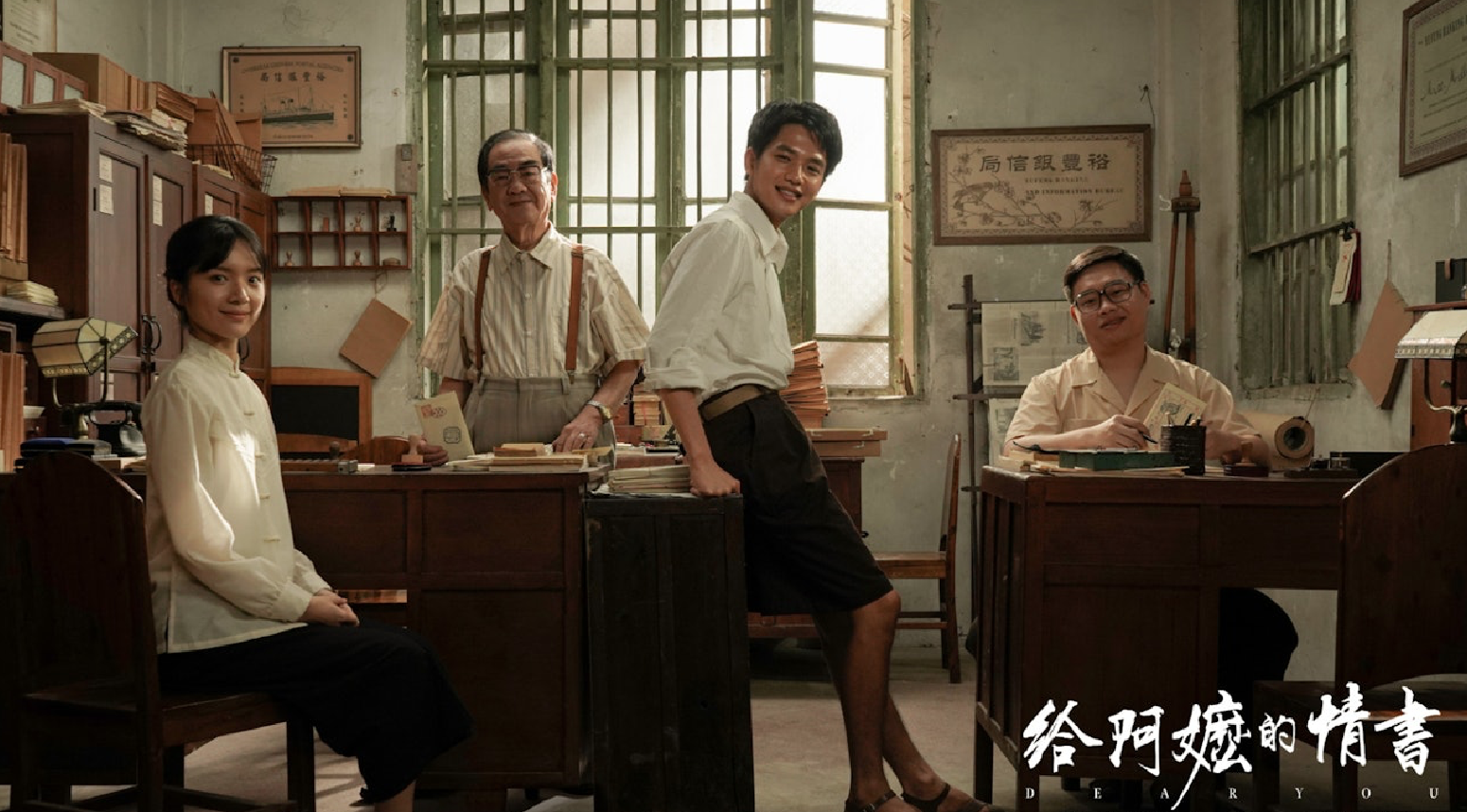
Dear You (给阿嬷的情书) arrived in Chinese cinemas without the usual signs of a major commercial event. It had no widely promoted superstar cast, no obvious visual-effects hook, and, according to widely shared Chinese online commentary, a reported production budget of only 14 million yuan (roughly US$2 million). Much of the film is performed in Teochew, a regional language or dialect that is meaningful to Chaoshan and diaspora audiences but unfamiliar to many viewers elsewhere in mainland China.
Reading through several commentary pieces on Douyin and public posts, the film climbed from a very limited initial screening share of about 1.6 percent to roughly 35 percent as word of mouth grew. Imagine beginning with only 1.6 percent of cinema screenings, then rising to 35 percent across mainland China’s theatrical market.
That put its box office at around 1.6 billion yuan (roughly US$229 million), after three consecutive weeks at the top of the national chart. On a single Mother’s Day, ticket sales reached 119 million yuan (roughly US$17 million). The return against the reported budget would be close to 120 times.
A qiaopi story
At the center of the film is a qiaopi (侨批), the remittance-letter system once used by overseas Chinese migrants to send both money and messages back to families in southern China. For Teochew, Hokkien and other communities with long histories in Southeast Asia, qiaopi were not only private letters. They were financial instruments, family records and proof that someone across the sea was still trying to remain accountable to home.
An elderly Teochew grandmother has received letters from her husband in Thailand for eighteen years. The emotional turn is that the husband had died long before. The letters were instead written by Xie Nanzhi, a woman in Thailand who had never met the grandmother but continued writing in the dead husband’s name. This could easily have become melodrama. What makes the movie different, and what seems to have resonated with viewers, is that it becomes a story about obligation: one woman preserving another woman’s hope through a long, difficult fiction.
That premise explains why the film has travelled beyond a narrow regional audience. Viewers do not need to understand every Teochew phrase to recognize the structure of the feeling: migration, delayed communication, older parents waiting, younger generations discovering too late what had been carried for them. The specific culture matters, but the emotional grammar is not sealed inside one dialect.
Why the reception mattered

The film’s online reception has been unusually strong. Its Douban score, on a mainstream Chinese film-rating platform, reached 9.2 from about 650,000 users, making it one of the year’s most highly rated Chinese films. Earlier in May, the score was already at 9.1 when the box office had passed 350 million yuan (roughly US$50 million), which suggests the rating remained high even as the audience expanded beyond early regional supporters.
The language used by viewers is also revealing. The recurring phrases are not about spectacle, twist endings or celebrity performances. They are about qingyi (情义): feeling, loyalty, human obligation. Some online comments say the film reminded viewers of grandparents, of parents left in hometowns, or of letters kept in family drawers. Others frame the film as a reminder to call home.
This kind of response can easily be overstated. Chinese social media often turns filmgoing into moral language very quickly, especially around family dramas. A movie about an elderly grandmother, sacrifice and letters from abroad invites emotional reading. Yet the scale of the response suggests more than routine tear-jerking. The audience seems to have treated Dear You as a correction to a film market they often accuse of overpricing stars and underinvesting in story.
Production as part of the argument
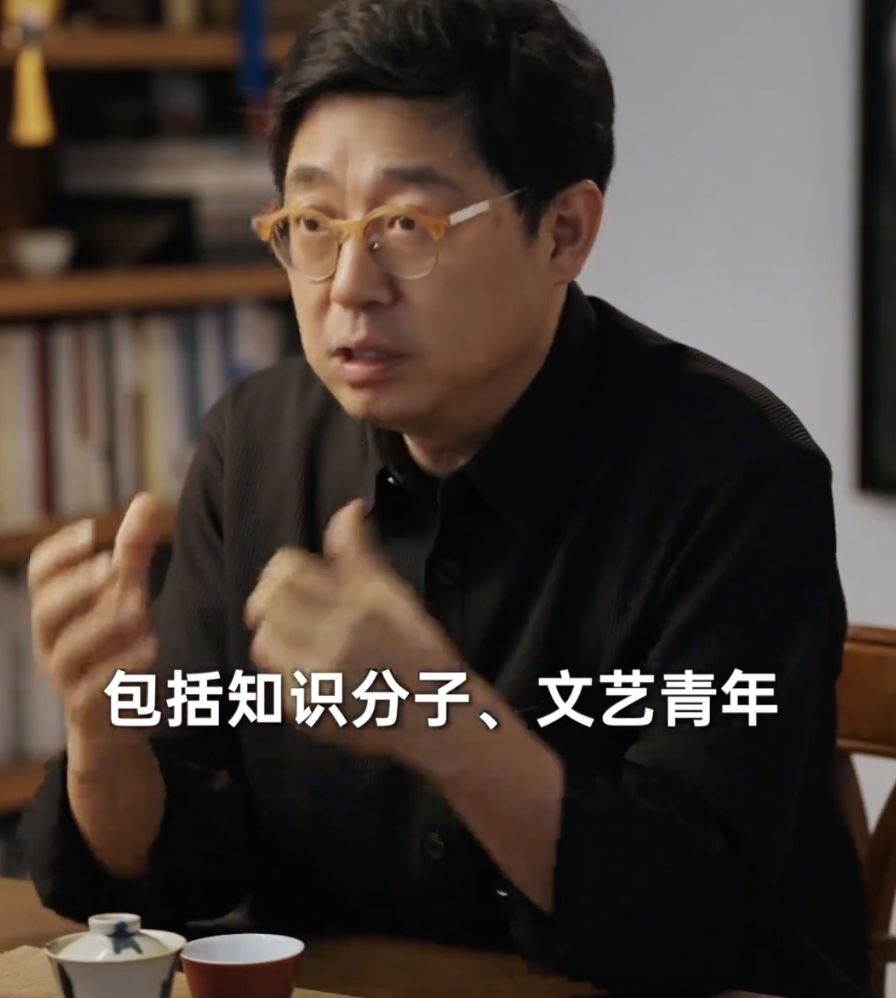
The production background has become almost inseparable from the film’s reputation. The directing team spent three years visiting more than 300 overseas families and interviewing over 120 Chaoshan elders above the age of eighty. The same accounts say that around 90 percent of the film’s details were drawn from historical prototypes.
These details matter because they support the film’s claim to authenticity. The 84-year-old woman who plays Ah Ma, Wu Shaoqing, is described as a non-professional actor selected after a wide search among more than 300 Chaoshan grandmothers. Online commentators repeatedly stress that she does not appear to be “performing” in the conventional sense, but drawing from lived memory, body language and speech rhythms.
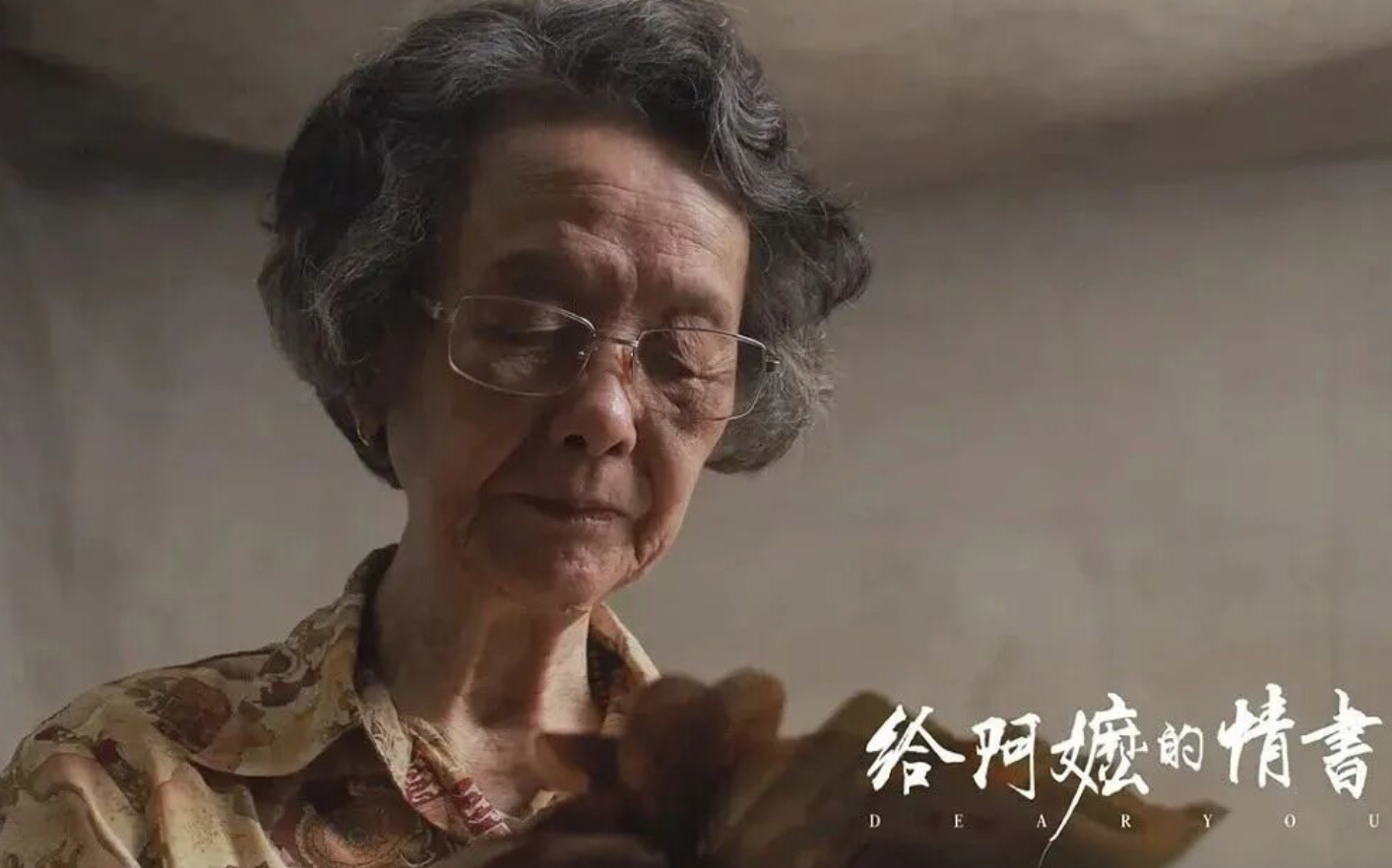
There is a danger in romanticizing non-professional acting as automatically truthful. A performance can be sincere and still shaped by editing, direction and audience expectation. But in this case, the casting choice helps explain why viewers trusted the film. The grandmother is not presented as a polished symbolic figure. She appears as someone specific: local, aged, socially rooted and marked by the kind of waiting that the plot requires.
The low-budget details have also fed the public narrative. The summaries mention an iPad used as a monitor, simple camera setups, a tricycle used as a makeshift track, and total actor pay reportedly below 700,000 yuan (roughly US$100,000). These production anecdotes are now part of the film’s brand. They tell audiences that money was not the point. Restoration, dialect, texture and emotional credibility were.
A contrast with bigger films
The strongest online commentaries place Dear You against larger releases from the same period. They mention Cold War 1994, A Writer’s Odyssey 2 and Safe Journey / Give You A Candy as examples of films with bigger budgets, star names or heavier industrial expectations that underperformed.
Those comparisons should be handled carefully. A family drama and a commercial action sequel are not trying to solve the same problem. Genre expectations, release windows, marketing cycles and audience demographics all differ. It is too simple to say that small sincere films succeed and large films fail. Chinese cinema has room for both intimate regional stories and expensive commercial productions.
Still, the comparison explains why Dear You became symbolic. If the reported figures are broadly accurate, then a 14 million yuan (roughly US$2 million) film reaching a 1.6 billion yuan (roughly US$229 million) box office challenges assumptions about what makes a movie commercially viable. It suggests that some audiences are not rejecting cinemas themselves. They are rejecting films that feel manufactured, overmarketed or emotionally hollow.
In that sense, Dear You did not only sell tickets. It became an argument about allocation. Where should money go, what counts as value, and how much does an audience actually care about celebrity when the story feels close to their own family history?
What the film shows about the market
One Douyin summary connects the film’s success to the broader competition between cinemas and short-form video. That is a useful observation. In China, as elsewhere, audiences have become accustomed to emotional storytelling in short, vertical, highly compressed formats. A feature film now has to justify the time and attention it asks from viewers.
Dear You appears to have done that by offering something short video cannot easily provide: duration. A qiaopi story depends on waiting, repetition, years of uncertainty and the slow accumulation of obligation. Its emotional force comes not from a single punchline but from the weight of time. That may be why the film reportedly drew a higher-than-average share of viewers over thirty-five. The story is not only about youth discovering family. It is also about middle-aged audiences recognizing what has already been lost, postponed or left unsaid.
The film also shows the continuing commercial power of regional culture when it is not treated as decoration. Teochew is not merely a flavor added to a Mandarin story. It is part of the social world that makes qiaopi, overseas migration and family obligation intelligible. For Teochew audiences, that may create recognition. For non-Teochew audiences, it offers texture and difference without making the story inaccessible.
A measured success
The fairest way to read Dear You is neither as a miracle nor as proof that the Chinese film industry has been solved. Its success does not mean every low-budget film will find an audience. It does not mean stars are useless, marketing is irrelevant, or large-scale filmmaking is doomed. It does mean that audiences can still reward a film that feels carefully observed and emotionally disciplined.
The Chinese online response has sometimes turned the film into a weapon against “bad routines” in the industry: traffic stars, inflated budgets, weak scripts and bloated promotion. There is some truth in that frustration. But the more lasting lesson may be quieter. Dear You worked because its production method, subject matter and emotional register pointed in the same direction. A story about trust was made in a way that allowed viewers to trust it.
That is why the film matters beyond its box office. It brought qiaopi, Teochew speech and overseas Chinese family memory into a national conversation without sanding away their local specificity. It reminded the market that sincerity is not the opposite of craft, and modesty is not the opposite of ambition.
For the editorial team at Teochew.net, the film is especially worth watching because it turns a very particular history into public feeling. The letters in Dear You belong to one story, but the world behind them is much larger: Chaoshan villages, Southeast Asian migration routes, women who waited, workers who remitted, children who inherited silence, and families held together by paper moving across water.
The film’s achievement is that it lets that history speak plainly. In a crowded market, that plainness became its strength.